Sugar Is Not The Enemy
Sugar gets a bad reputation within the wellness world, especially as low-carb and zero sugar diets gain popularity. However, for endurance athletes, sugar is a valuable source of energy that supports performance, training and even recovery. Rather than viewing sugar as something to avoid entirely, it is important to understand how the body uses it during exercise and why it can be particularly useful for athletes.
What is sugar?
Sugar is a type of carbohydrate that provides the body with energy. Not all sugar is the same and there are two main types:
Monosaccharides: single sugar molecules that are bodies do not need to break down further
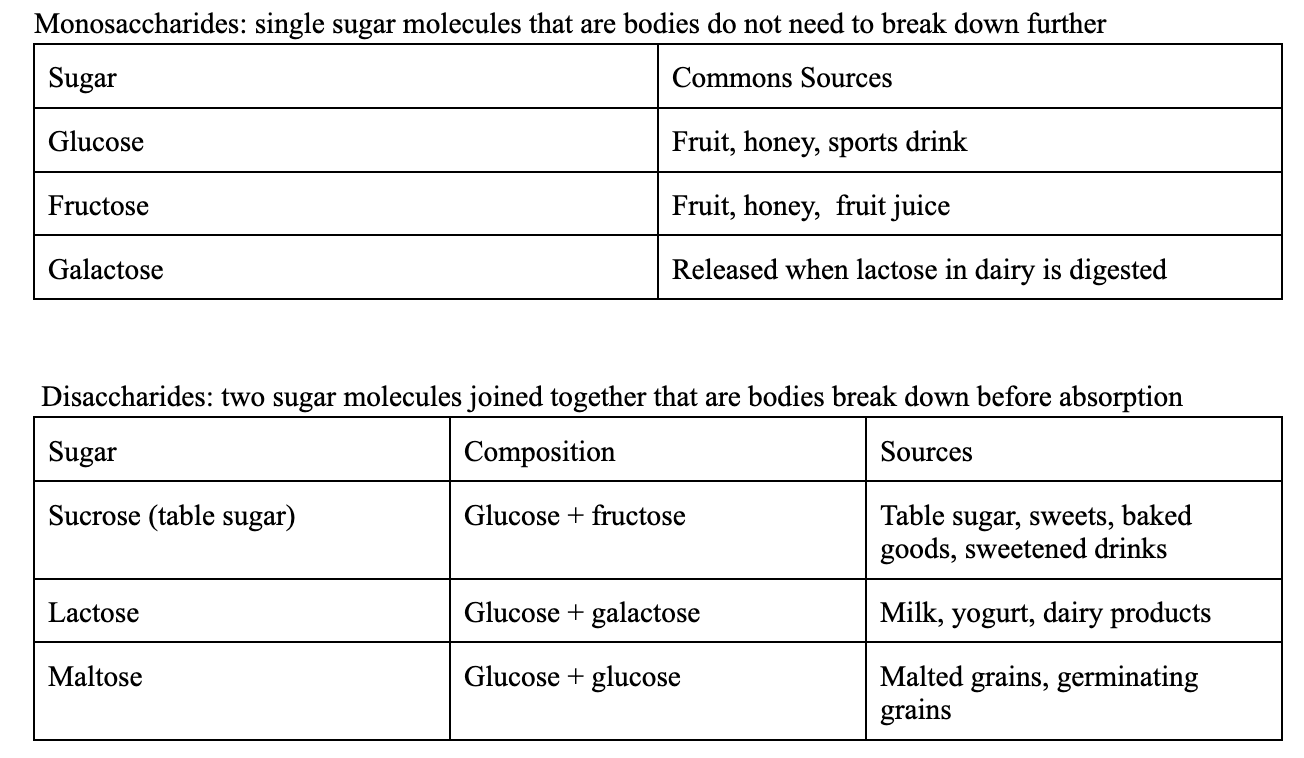
Once absorbed, these sugars follow different pathways. Glucose is a primary fuel source for working muscles and can also be stored as glycogen in the muscles and liver for later use. Fructose is metabolized primarily by the liver, where it can be converted to glucose or lactate, both of which can contribute to energy production.
Why do athletes need sugar?
During prolonged exercise, our energy reserves gradually deplete, but consuming sugar replenishes them quickly and helps maintain stamina. One team of researchers reviewed sucrose, or table sugar, and found that it can be an effective fuel for endurance exercise as well as recovery. Since sucrose contains both glucose and fructose, it's particularly useful for providing energy through two different intestinal absorption pathways simultaneously.
Why the Type of Sugar Matters
One challenge endurance athletes face is that the body has a limit to how quickly it can absorb and use sugar in the midst of exercise- when intense activity slows digestion and absorption. More glucose does not necessarily mean the body can absorb it all efficiently. However, when sugars are combined they are absorbed faster because glucose and fructose use different transporters in the intestine. This also helps manage GI discomfort since there are less carbohydrates sitting in the gut. This is why you might find sports drinks or gels combining multiple sugar sources.
An interesting example of this is olympic triathlete Gwen Jorgensen. She fueled her gold metal winning race with red bull- a highly sugary and caffeinated energy drink. However, when she transitioned to longer running sessions, she needed more fuel, but drinking larger amounts of sugary fluids caused stomach cramps. She then worked with an exercise physiologist to develop a customized drink mix with more complex carbohydrates which contain more highly branched glucose units than simple sugars. This helped relieve cramps and bloating while fueling her for a longer period of time.
Sugar Timing
Before Exercise
Consuming sugar before exercise provides readily available energy and contributes to the body's fuel stores. Foods like bananas, toast with jam, or yogurt with honey are great pre-workout snacks because they provide readily available carbohydrates that are easily digested.
During Exercise
General sports nutrition guidelines recommend approximately 30-60 grams of carbohydrates per hour for exercise lasting around 1-2.5 hours. For those training longer than 1-2.5 hours, 60-90 grams of carbohydrates per hour is recommended, depending on intensity. Sugar-containing sports drinks, gels, and chews can help athletes meet these targets. Also, products containing both glucose and fructose can be particularly useful for long intense workouts.
After Exercise
After prolonged or intense exercise, consuming sugar-containing foods helps replenish depleted glycogen stores in the muscles and liver. Pairing carbohydrates with protein will also supply the amino acids that are needed for muscle repair and adaptation. Researchers recommend chocolate milk or greek yogurt with fruit which combines sugars and protein.
The Bottom Line
Sugar is not inherently the enemy, especially with athletic performance. When it is used strategically, it can be an effective tool for supporting endurance, fueling demanding training sessions, and promoting recovery.
By Lillian Graham, Nutrition Intern
Sources
Donovan R. (2024). Sugar Wars: Formulators of Endurance Fuels Compete to Pack More Energy in
Fewer Molecules. ACS central science, 10(5), 942–945. https://doi.org/10.1021/acscentsci.4c00662
Wallis, G. A., & Wittekind, A. (2013). Is there a specific role for sucrose in sports and exercise performance?. International journal of sport nutrition and exercise metabolism, 23(6), 571–583. https://doi.org/10.1123/ijsnem.23.6.571
Wittekind, A. (2026). Sugars and sports performance. World Sugar Research Organisation. https://wsro.org/sugars-health/sugars-and-sports-performance